

Unveiling Insert Molding: The Art of Efficient Manufacturing
In an era where efficiency is the linchpin of success in manufacturing, innovative techniques are continuously reshaping the landscape of production. Among these methods, insert molding stands out as a sophisticated fusion of art and engineering, offering manufacturers a unique pathway to enhance both the functionality and aesthetics of their products. This intricate process, which involves the integration of various components into a single molded part, not only streamlines production timelines but also minimizes material waste, ultimately contributing to a more sustainable approach. As we delve into the world of insert molding, we will explore its principles, applications, and the transformative impact it has on modern manufacturing, revealing why this technique is rapidly becoming a cornerstone for companies striving for excellence in design and efficiency.
Table of Contents
- Exploring the Fundamentals of Insert Molding Technology
- Enhancing Production Efficiency through Strategic Design Choices
- Material Compatibility and Its Impact on Insert Molding Success
- Best Practices for Quality Control in Insert Molding Processes
- Insights and Conclusions

Exploring the Fundamentals of Insert Molding Technology
Insert molding technology represents an innovative fusion of different manufacturing processes to create complex parts efficiently. By encapsulating pre-formed components—often made from metal or plastic—within a thermoplastic or thermosetting resin, this method enhances both the functionality and aesthetic appeal of the finished product. Key advantages of insert molding include:
- Increased Strength: The integration of inserts can significantly boost the structural integrity of the final part.
- Reduced Assembly Time: Combining multiple functions into a single step streamlines the production process.
- Design Flexibility: Designers have the freedom to create intricate geometries that meet specific application needs.
This technology not only supports diverse industry applications—ranging from automotive to consumer electronics—but is also environmentally friendly, allowing for reduced waste and energy consumption. To illustrate its importance, consider the following comparison of traditional manufacturing versus insert molding:
| Aspect | Traditional Manufacturing | Insert Molding |
|---|---|---|
| Production Stage | Multiple steps | Single step |
| Complexity | Limited | High |
| Material Waste | Higher | Lower |
As manufacturers continue to seek ways to cut costs while improving quality, insert molding emerges as a pivotal technique that meets these demands without sacrificing performance. Understanding its fundamentals is essential for anyone interested in modern manufacturing innovations.

Enhancing Production Efficiency through Strategic Design Choices
In the quest for superior manufacturing outputs, the application of insert molding signifies a pivotal leap towards enhanced production efficiency. By integrating multiple processes into a single operation, manufacturers can significantly reduce cycle times and minimize waste. This approach encourages the use of innovative materials, allowing for a broader spectrum of design possibilities. Key advantages include:
- Reduced Assembly Time: Combining molding and assembly cuts down on labor hours.
- Improved Quality Control: Fewer handling phases enhance the integrity of the final product.
- Material Optimization: Utilization of various thermoplastics and elastomers improves product performance.
Moreover, the adaptability of insert molding can lead to streamlined inventory management. By creating parts with integrated functions, companies can minimize the number of separate components needed. This not only eases storage logistics but also lowers costs associated with surplus materials and excess production. To illustrate the impact of design choices, the following table summarizes the efficiency metrics achieved through strategic insert molding applications:
| Metric | Traditional Manufacturing | Insert Molding |
|---|---|---|
| Cycle Time (minutes) | 15 | 8 |
| Components Used | 5 | 2 |
| Waste Produced (%) | 20 | 5 |
Material Compatibility and Its Impact on Insert Molding Success
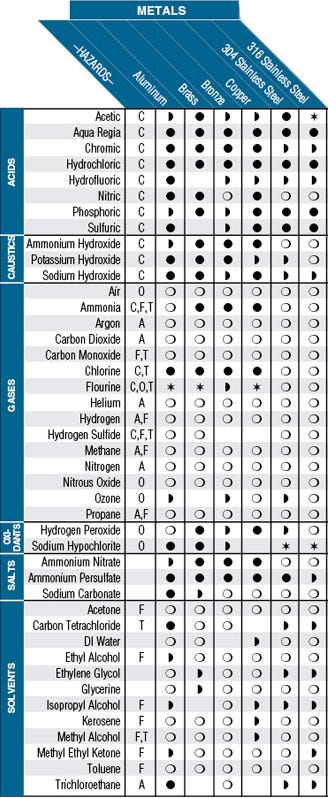
Understanding the interaction between materials is crucial in the realm of insert molding. The success of this manufacturing technique hinges on the compatibility of the inserted component with the surrounding molded material. Significant factors influencing this compatibility include thermal properties, mechanical strength, and chemical resistance. A well-matched pairing ensures that the final product can withstand stresses without warping or degrading, ultimately enhancing the durability and performance of the end-use part. Therefore, choosing the right materials not only fosters seamless integration but also optimizes production efficiency.
When assessing material compatibility, manufacturers should explore potential synergies. For instance, using polymers that exhibit similar melting points can prevent issues such as warping or cracking during the molding process. Additionally, the following characteristics should be considered:
- Adhesion Properties: A material with good adhesion will prevent delamination.
- Thermal Expansion: Materials with similar coefficients of thermal expansion reduce stress.
- Availability and Cost: Economically feasible materials can significantly improve project viability.
| Material Type | Compatible Insert Materials | Application Example |
|---|---|---|
| ABS | Steel, Aluminum | Automotive components |
| Polycarbonate | Copper, PC | Electronics enclosures |
| Polypropylene | Glass Fiber, TPE | Packaging solutions |

Best Practices for Quality Control in Insert Molding Processes
Ensuring quality control during the insert molding process is vital for producing components that meet stringent industry standards. One effective practice is to implement regular equipment maintenance to prevent mechanical failures that can affect precision. Additionally, using high-quality raw materials reduces the likelihood of defects in the finished product. Consider establishing a checklist system for every production run, which includes inspections of mold alignment and material consistency. This approach not only optimizes manufacturing efficiency but also minimizes waste and rework.
Another key factor is employee training and engagement. Skilled operators who understand the nuances of insert molding can better identify potential issues before they escalate. Regular training sessions that focus on both technical skills and quality assurance techniques foster a culture of excellence. Furthermore, utilizing data analytics can enhance the monitoring of each production cycle. By analyzing patterns in defects or inconsistencies, manufacturers can take proactive measures to address problems. Below is a simple table to illustrate common quality control measures in insert molding:
| Quality Control Measure | Description |
|---|---|
| Regular Maintenance | Scheduled checks and repairs of equipment to ensure optimal function. |
| Material Inspection | Quality checks of raw materials to prevent defects in final products. |
| Operator Training | Programs to enhance skills in handling machinery and identifying quality issues. |
| Data Analysis | Using production data to identify trends and areas for improvement. |
Insights and Conclusions
As we draw the curtain on our exploration of insert molding, it’s clear that this innovative approach to manufacturing is more than just a method; it embodies a blend of artistry and engineering precision. The intricate dance between materials and processes in insert molding speaks to a future where efficiency meets creativity, allowing manufacturers to push boundaries and redefine possibilities.
Whether you are a seasoned professional in the industry or a curious newcomer, understanding the nuances of this technique opens up a realm of potential—where cost-effectiveness, quality, and sustainability can seamlessly coexist. As we continue to unveil the layers of manufacturing technologies, let us embrace the art of insert molding as a symbol of what is achievable when innovation meets tradition.
In the evolving landscape of production, the ability to adapt and innovate remains crucial. Insert molding stands as a testament to that quest for improvement, reminding us that the journey in manufacturing is as significant as the outcome. With each advancement, we are not only refining our processes but are also crafting a more efficient, sustainable, and interconnected world. Here’s to the future of manufacturing, where every molded piece tells a story of thoughtful design and purposeful creation.
