

In a world where innovation meets practicality, the art of custom plastic molding emerges as a pivotal player in transforming ideas into tangible products. From the delicate contours of consumer electronics to the robust shapes of industrial components, custom plastic molding offers a remarkable playground for creativity and functionality. This intricate process not only serves to meet specific design requirements but also unlocks new possibilities across diverse industries, allowing manufacturers to push the boundaries of what is achievable. As we delve into the nuances of this versatile technique, we explore its applications, advantages, and the expert craftsmanship that brings visions to life, revealing how custom plastic molding stands at the intersection of art and engineering.
Table of Contents
- Exploring the Versatility of Custom Plastic Molding Techniques
- Key Materials and Their Impact on Design and Functionality
- Navigating the Design Process for Optimal Results
- Sustainability in Plastic Molding: Innovations for a Greener Future
- Future Outlook

Exploring the Versatility of Custom Plastic Molding Techniques
Custom plastic molding techniques offer an impressive range of opportunities for industries seeking innovative solutions. From automotive components to intricate consumer goods, the adaptability of these methods allows for the creation of highly specialized products tailored to specific needs. By leveraging processes such as injection molding, blow molding, and rotational molding, manufacturers can produce parts that not only vary in shape and size but are also designed with material properties that enhance their durability and performance. Each technique presents its unique set of advantages, making it essential for teams to choose the right method based on their project requirements.
Additionally, the integration of advanced technological aspects, such as 3D printing and computer-aided design (CAD), has further revolutionized custom plastic molding. These tools facilitate the rapid prototyping of designs, enabling businesses to iterate quickly on concepts and finalize products with precision. Some key benefits include:
- Cost-Effectiveness: Bulk production reduces per-unit costs.
- Complex Designs: Ability to create intricate shapes and features.
- Material Versatility: Wide choice of plastic materials tailored for specific applications.
| Molding Technique | Best For | Typical Material |
|---|---|---|
| Injection Molding | High-volume production | ABS, Polypropylene |
| Blow Molding | Hollow objects | Polyethylene, PET |
| Rotational Molding | Large, hollow items | Polyethylene, PVC |
Key Materials and Their Impact on Design and Functionality
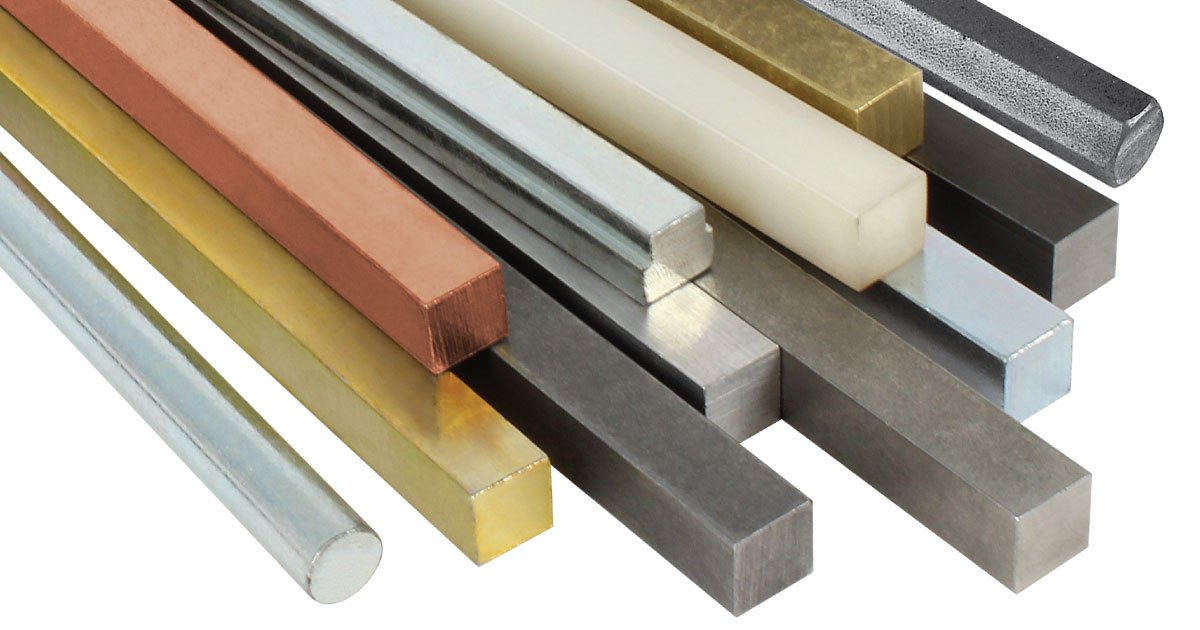
When delving into the world of custom plastic molding, the selection of materials plays a pivotal role in determining both the aesthetic and functional outcomes of a design. Various plastics offer unique characteristics that can significantly influence a product’s performance. ABS, for instance, is renowned for its durability and impact resistance, making it ideal for applications ranging from consumer goods to automotive components. On the other hand, polycarbonate is celebrated for its exceptional clarity and strength, often utilized in safety glasses and electronic components. Here is a quick overview of common materials and their key features:
| Material | Key Features | Common Applications |
|---|---|---|
| ABS | Durable, Impact-resistant, Good workability | Toys, Automotive parts |
| Polycarbonate | High clarity, UV resistant, Lightweight | Safety glasses, Lenses |
| PVC | Weather resistant, Versatile, Cost-effective | Pipes, Vinyl siding |
| Polyethylene | Chemical resistance, Flexible, Lightweight | Bags, Containers |
In addition to material properties, the manufacturing process itself can profoundly impact the final product’s functionality and design finesse. Different molding techniques, such as injection molding, lend themselves well to high-volume production, enabling intricate designs with precision. Conversely, rotational molding is ideal for creating larger hollow objects with a seamless finish. Each method comes with its own set of advantages, influencing factors such as production cost, lead time, and scalability. By understanding the intricacies of both material characteristics and molding techniques, designers can unlock unprecedented possibilities, pushing the boundaries of what can be created.

Navigating the Design Process for Optimal Results
Embarking on the journey of custom plastic molding requires a meticulous approach to design, where every decision shapes the final product. Understanding the needs of the project is essential; this involves collaborating closely with stakeholders to gather requirements and expectations. An effective way to streamline this process is through the creation of mood boards, which visually encapsulate the design direction and inspiration. Additionally, employing tools such as CAD software allows for precise modeling, ensuring that the design accurately reflects the intended dimensions and functionalities.
After establishing a clear design framework, it’s crucial to consider the material selection and production techniques to optimize quality and performance. Key factors to keep in mind include:
- Durability: Assess which polymers offer the best longevity for your product.
- Flexibility: Determine how much malleability is needed based on the product’s use.
- Cost-effectiveness: Weigh the benefits of premium materials against budget constraints.
To help visualize these options, the following table highlights some common materials used in custom plastic molding alongside their attributes:
| Material | Durability | Cost |
|---|---|---|
| ABS | High | Moderate |
| Polycarbonate | Very High | Higher |
| Polypropylene | Moderate | Low |
By combining a strategic design approach with informed material choices, the path to creating exceptional molded products becomes remarkably clearer.

Sustainability in Plastic Molding: Innovations for a Greener Future
The world of plastic molding is undergoing a revolution, driven by the urgent need for sustainable practices that minimize environmental impact. Innovations in materials and processes are at the forefront of this shift, introducing methods that aim to reduce waste and improve recyclability. Manufacturers are exploring the use of biodegradable plastics, made from renewable sources, as well as recycled materials that can be reprocessed into new products. These advancements not only help in conserving natural resources but also contribute to a circular economy that lessens the reliance on fossil fuels.
In addition to material innovations, cutting-edge technologies such as 3D printing and precision molding are enabling manufacturers to create efficient production processes that reduce energy consumption and material waste. Techniques like injection molding with reduced cycle times and additive manufacturing facilitate the creation of complex shapes with minimal excess. The integration of digital tools for better quality control and process optimization further empowers businesses to practice sustainability while maintaining quality standards. As these innovations become more mainstream, they provide inspiring solutions that pave the way for a greener future in the realm of plastic molding.
Future Outlook
As we conclude our exploration of custom plastic molding, it’s clear that this versatile process is more than just a method of production; it’s a key that unlocks a world of creative possibilities. From the simplest everyday items to complex industrial components, custom molded plastics empower designers and engineers alike to bring their visions to life with precision and efficiency. By embracing the art of custom plastic molding, businesses can foster innovation, reduce waste, and ultimately deliver products that meet the evolving demands of consumers. As technology progresses and material science advances, the potential for customized plastic solutions will only continue to expand. So, whether you’re a seasoned professional or a newcomer to the field, remember that with each mold you create, you’re not just shaping plastic—you’re sculpting the future. Let your imagination guide you, and unlock the limitless opportunities that await in the world of custom plastic molding.
