

In the ever-evolving landscape of manufacturing, the pursuit of efficiency remains a defining challenge for companies across various industries. As businesses strive to maximize productivity while minimizing costs, innovative technologies continue to emerge, reshaping how products are designed and manufactured. One such transformative method gaining traction is SMC (Sheet Molding Compound) injection molding. This cutting-edge process not only promises enhanced speed and precision but also opens the door to new possibilities in material utilization and product design. In this article, we will delve into the world of SMC injection molding, exploring its distinct advantages, potential applications, and the role it plays in revolutionizing manufacturing efficiency. Join us as we unlock the secrets of this dynamic technique and its implications for the future of production.
Table of Contents
- Exploring the Advantages of SMC Injection Molding in Modern Manufacturing
- Understanding the Process: How SMC Injection Molding Works
- Maximizing Production Efficiency with Advanced SMC Techniques
- Sustainability in SMC Injection Molding: A Path Forward for Eco-Friendly Practices
- Closing Remarks
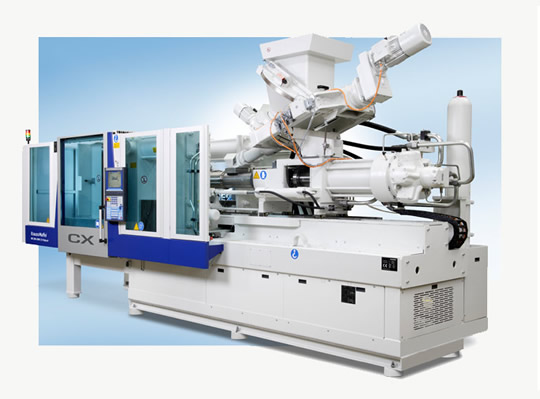
Exploring the Advantages of SMC Injection Molding in Modern Manufacturing
SMC (Sheet Molding Compound) injection molding brings a host of advantages that make it an indispensable technology in today’s manufacturing landscape. One of the primary benefits is its ability to produce complex shapes with excellent dimensional stability. This process utilizes a thermosetting polymer, ensuring that the parts produced are not only strong but also lightweight, making them ideal for industries such as automotive, aerospace, and consumer goods. Additionally, the quick cycle times associated with SMC injection molding allow manufacturers to ramp up production without compromising quality, providing a considerable competitive edge.
Moreover, SMC injection molding contributes significantly to sustainability in manufacturing. The materials used often consist of recycled content, reducing waste and mitigating environmental impact. Furthermore, the efficiency of the process leads to lower energy consumption and reduced emissions, aligning with modern environmental standards. Key benefits include:
- Cost-Effectiveness: Reduced material and labor costs.
- High Strength-to-Weight Ratio: Ideal for lightweight yet durable components.
- Versatility: Suitable for a wide range of applications and industries.
- Enhanced Surface Finish: Provides a smooth appearance, reducing the need for secondary processes.
To illustrate these advantages, consider the following comparison of traditional manufacturing methods versus SMC injection molding:
| Factor | Traditional Methods | SMC Injection Molding |
|---|---|---|
| Production Speed | Slow | Fast |
| Material Waste | High | Low |
| Complex Shape Capability | Limited | Extensive |
| Environmental Impact | Moderate | Low |
This comparison underscores the superior performance and efficiency of SMC injection molding, paving the way for more innovative manufacturing solutions that align with both operational goals and sustainability targets.

Understanding the Process: How SMC Injection Molding Works
SMC injection molding is a fascinating process that merges the benefits of traditional molding with the innovative characteristics of sheet molding compounds (SMC). At its core, the method involves the use of a pre-formed, viscous compound that is shaped and cured under heat and pressure. The process begins with the creation of a composite material, typically made up of fiberglass strands, resin, and other additives. This combination results in a versatile material that exhibits durability, strength, and resistance to various environmental factors. Once the SMC is prepared, it is loaded into a heated injection mold where it is heated to a specific temperature, enabling it to flow freely and fill the mold cavity.
The real magic happens during the injection and curing phases. Utilizing powerful hydraulic presses, the prepared SMC is injected into the mold cavities, allowing it to take on desired shapes. As it cools, the material begins its transformation into a solid, robust product. This dual-phase process offers significant advantages, including:
- Enhanced production efficiency – SMC molding reduces cycle times.
- Design flexibility – Complex shapes and intricate details can be easily achieved.
- Material efficiency - Minimal waste is generated, maximizing resources.
The result is not only a lightweight yet sturdy product but also a sustainable process that aligns with modern manufacturing imperatives.

Maximizing Production Efficiency with Advanced SMC Techniques
To unleash the full potential of SMC, manufacturers are increasingly turning to advanced techniques that streamline their production processes. By integrating cutting-edge technologies such as automation and real-time data analytics, operations can dramatically reduce cycle times while enhancing product consistency. This not only cuts down on material waste but also significantly lowers labor costs, allowing businesses to allocate resources more effectively. For instance, using precise temperature controls and mold maintenance schedules contributes to an optimal production environment, maximizing output while minimizing downtime.
Moreover, implementing robust training programs can empower operators with the knowledge to troubleshoot machinery and improve overall workflow. A focus on continuous improvement practices can lead to innovative solutions that enhance production line capabilities. Consider the following practices that are essential for modern SMC operations:
- Predictive Maintenance: Utilizing IoT devices to foresee equipment failures before they occur.
- Workstation Optimization: Arranging tools and materials for easy access to minimize unnecessary movements.
- Quality Control Integration: Seamless incorporation of quality checks within the production cycle to reduce defects.
| Technique | Description | Benefit |
|---|---|---|
| Automation | Employing robotics and AI for repetitive tasks. | Increased speed and accuracy. |
| Data Analytics | Analyzing production data for insights. | Enhanced decision-making and process improvements. |
| Employee Training | Ongoing skill development for staff. | Reduced error rates and enhanced productivity. |

Sustainability in SMC Injection Molding: A Path Forward for Eco-Friendly Practices
As industries increasingly prioritize environmental responsibility, SMC (Sheet Molding Compound) injection molding emerges as a pivotal technology for sustainable manufacturing. The process itself generates minimal waste, allowing manufacturers to leverage materials more efficiently compared to traditional methods. Moreover, SMC’s versatility facilitates the use of recycled compounds and bio-based materials, shifting the paradigm toward a circular economy model. Key benefits include:
- Reduced Energy Consumption: The energy required for production is substantially lower, leading to a smaller carbon footprint.
- Longer Product Lifespan: SMC components are designed for durability, which decreases the frequency of replacements, contributing to less environmental strain.
- Reduced Emissions: The streamlined production process leads to lower greenhouse gas emissions.
Integrating eco-friendly practices into SMC injection molding does not only enhance sustainability but also improves economic viability. By adopting advanced technologies such as automated monitoring systems and energy-efficient machinery, manufacturers can track resource usage in real-time and mitigate waste generation effectively. Furthermore, establishing supply chain partnerships focused on sustainability ensures that raw materials align with eco-friendly standards. A summary comparison of SMC’s sustainable advantages over traditional materials can be found below:
| Feature | SMC Injection Molding | Traditional Materials |
|---|---|---|
| Waste Generation | Minimal | High |
| Energy Efficiency | High | Low |
| Recyclability | Excellent | Varies |
| CO2 Emissions | Lower | Higher |
Closing Remarks
As we navigate the ever-evolving landscape of manufacturing, the potential of SMC (Sheet Molding Compound) injection molding stands out as a beacon of efficiency and innovation. By harnessing the unique properties of SMC materials and the precision of injection molding techniques, businesses can not only streamline production processes but also enhance the sustainability of their operations.
the journey toward unlocking efficiency in manufacturing is paved with advancements like SMC injection molding. As industries continue to seek ways to optimize their workflows and reduce waste, embracing this technology may very well be a pivotal step forward. Whether you’re a seasoned manufacturer, a curious innovator, or a decision-maker charting the future of production, the promise of SMC injection molding invites exploration and action. The future of manufacturing is here—let’s mold it wisely.
