

In the ever-evolving landscape of manufacturing and design, innovation often thrives at the intersection of creativity and technology. One such captivating technique that has gained significant traction in recent years is overmolding—a process that marries two or more materials to create a single, cohesive product. From the sleek, ergonomic grips of tools to the soft-touch finish of consumer electronics, overmolding unlocks a realm of possibilities, enabling designers to enhance functionality, aesthetics, and tactile experience. In this article, we will delve into the art of combining materials, exploring the intricacies of overmolding, its applications, and the transformative impact it has on various industries. Join us as we unveil the sophistication behind this multifaceted method, illuminating how the synergy of materials can lead to innovative solutions and elevate everyday objects into something extraordinary.
Table of Contents
- Exploring the Fundamentals of Overmolding Techniques
- Material Compatibility: Choosing the Right Combinations for Success
- The Benefits of Overmolding in Product Design and Development
- Best Practices for Achieving Flawless Overmolded Components
- In Retrospect

Exploring the Fundamentals of Overmolding Techniques
Overmolding is a fascinating technique that allows manufacturers to combine two different materials into a single cohesive product. This method is increasingly utilized in various industries, from consumer electronics to automotive components, due to its ability to enhance functionality, comfort, and aesthetics. The process involves the application of a softer material, typically rubber or thermoplastic elastomers, over a harder substrate, such as metal or plastic. By achieving a strong bond between the layers, overmolding not only improves the part’s grip and tactile feel but also provides additional protection against environmental factors.
Understanding the essentials of overmolding techniques involves recognizing the various methods and materials employed. Key factors that influence the selection of techniques include:
- Material Compatibility: Ensuring that the two materials can adhere properly and function together.
- Process Types: Options such as injection overmolding, insert overmolding, and compression overmolding.
- Design Considerations: Assessing the part design for optimal performance and manufacturability.
To visualize these concepts, the following table outlines the common materials and their typical applications:
| Material | Common Uses |
|---|---|
| TPU (Thermoplastic Polyurethane) | Consumer electronics, medical devices |
| Silicone | Kitchenware, automotive seals |
| Rubber | Grip handles, tool grips |
Material Compatibility: Choosing the Right Combinations for Success
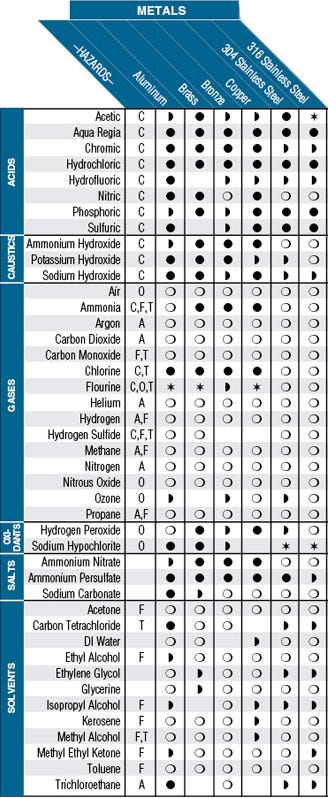
In overmolding, selecting the right materials is crucial for achieving optimal performance and durability. Different materials possess unique properties that can either complement or detract from each other. Here are key factors to consider when verifying material compatibility:
- Adhesion: Ensure that the materials bond effectively to reduce the risk of delamination.
- Thermal Properties: Evaluate melting points and thermal expansion rates to avoid warping or deformation.
- Chemical Resistance: Consider the environments the final product will encounter to prevent degradation.
- Mechanical Properties: Identify strength, flexibility, and impact resistance to align with product requirements.
Creating a successful overmolded part requires a synergy between the substrate and the overmolding material. The following table illustrates a few common combinations that have proven effective:
| Base Material | Overmold Material | Application |
|---|---|---|
| Polypropylene (PP) | Thermoplastic Elastomer (TPE) | Handles and grips |
| Polycarbonate (PC) | Silicone | Medical devices |
| ABS Plastic | Polyurethane (PU) | Electronic housings |
By carefully assessing the interactions and behaviors of various materials, designers can harness the strengths of each and create products that not only meet functional requirements but also exceed user expectations. This meticulous approach ultimately leads to innovative solutions in the world of overmolding.

The Benefits of Overmolding in Product Design and Development
Overmolding is revolutionizing the way products are designed, allowing for a seamless integration of materials that enhance both functionality and aesthetics. This innovative process involves molding a plastic layer over an existing substrate, often resulting in a more durable and visually appealing final product. The application of overmolding brings several advantages, such as:
- Increased Durability: The combined materials can better withstand wear and tear, making products longer-lasting.
- Enhanced Grip: Rubber and softer materials can be overmolded to provide a superior tactile experience, ensuring a comfortable hold.
- Improved Aesthetics: The ability to use multiple colors and textures creates visually striking designs that are more marketable.
Another key benefit of overmolding is the potential for cost-effectiveness in production. By reducing the number of manufacturing steps and material waste, companies can streamline their processes while maintaining high quality. Additionally, overmolding allows for the creation of complex geometries that would be challenging with traditional manufacturing methods. Below is a summary of its advantages:
| Benefits | Description |
|---|---|
| Durability | Enhances product lifespan through better material synergy. |
| Cost-Effectiveness | Reduces production steps and waste, saving resources. |
| Design Flexibility | Facilitates complex shapes and multi-material combinations. |

Best Practices for Achieving Flawless Overmolded Components
To achieve flawless overmolded components, attention to detail in the design phase is paramount. Start by selecting compatible materials that not only adhere well but also serve the intended function. Conducting thorough material compatibility tests can help avoid issues such as delamination or poor adhesion. Ensure your design accounts for the thermal expansion properties of both materials, as discrepancies can lead to warping or cracking during the molding process. Consider implementing the following best practices:
- Prototyping: Create and test prototypes to identify potential design flaws early.
- Tolerance Management: Ensure the design incorporates appropriate tolerances between components.
- Gate Location Optimization: Strategically position gates to ensure uniform flow and reduce defects.
Additionally, the molding process itself requires meticulous attention to various parameters. Consistent monitoring of temperature, pressure, and cycle times can significantly reduce defects in your final product. Utilizing advanced molding technologies can enhance precision and reliability. Implement a robust quality control system to regularly evaluate the finished components. Key aspects to focus on include:
| Parameter | Optimal Range |
|---|---|
| Temperature | 180-220°C |
| Pressure | 800-1200 psi |
| Cycle Time | 30-60 seconds |
In Retrospect
As we conclude our exploration of overmolding, it becomes evident that this technique is not merely a manufacturing process but an art form that embodies innovation and functionality. The seamless fusion of materials opens doors to endless possibilities, enhancing product design while improving performance. From the sleek contours of consumer electronics to the practical enhancements in medical devices, overmolding continues to redefine our approach to material usage.
As you venture into the world of overmolding, consider the stories each combination of materials can tell—stories of resilience, adaptability, and creativity. Whether you are a designer, engineer, or simply a curious mind, the intersection of these materials invites you to imagine a future where collaboration extends beyond their individual capabilities. Thus, the next time you encounter a product born from the art of overmolding, remember the intricate dance of materials that brought it to life, embodying the spirit of innovation that drives us forward.
