

In the intricate world of automotive manufacturing, where precision and innovation converge, the art of stamping dies emerges as a silent yet powerful force. It is here, in factories humming with mechanical symphony, that flat sheets of metal are transformed into the intricate parts that will eventually come together to form the vehicles we drive every day. From the sleek contours of a car door to the sturdy framework of an engine compartment, every piece is a testament to the craftsmanship behind automotive stamping dies. This guide aims to unravel the complexities of this vital process, providing insights into the techniques, materials, and technologies that define the industry. Whether you’re a seasoned engineer or a curious enthusiast, mastering the art of automotive stamping dies is not just about understanding machinery; it’s about appreciating the artistry and precision that drive our automotive dreams forward. Join us as we delve into the nuances of this pivotal component of automotive design and production, and discover what it takes to excel in this essential craft.
Table of Contents
- Understanding the Fundamentals of Automotive Stamping Dies
- Design Innovations That Enhance Efficiency and Precision
- Material Selection Strategies for Durable and Cost-Effective Dies
- Best Practices for Maintenance and Troubleshooting in Stamping Operations
- Q&A
- Insights and Conclusions

Understanding the Fundamentals of Automotive Stamping Dies
Automotive stamping dies serve as the backbone of the manufacturing process for various vehicle components, shaping the metal sheets into precise forms that contribute to the vehicle’s structure and aesthetics. These dies are meticulously engineered tools designed to cut, form, and shape sheet metal into desired profiles, which can include anything from body panels to intricate brackets. Understanding their design and functionality is crucial for anyone involved in automotive production. Key components of stamping dies often consist of:
- Die Blocks: The main body of the stamping die, where all operations take place.
- Cutting Edges: Sharp edges used to cut the metal into specific outlines.
- Forming Sections: Elements that shape the metal into complex geometries.
- Guiding Mechanisms: Components that ensure precise alignment during the stamping process.
The effectiveness and efficiency of stamping dies are heavily influenced by their design, tolerances, and the materials used. A well-crafted die not only improves the accuracy of the stamped components but also extends the die’s lifespan and reduces operational downtime. Factors to consider when evaluating stamping dies include:
| Factor | Description |
|---|---|
| Material Selection | Choosing the right steel or alloy affects durability and cost. |
| Die Life | Range of cycles a die can perform before needing replacement. |
| Complexity | Directly impacts manufacturing time and cost. |
| Maintenance | Regular upkeep ensures long-term performance and precision. |

Design Innovations That Enhance Efficiency and Precision
Recent advancements in automotive stamping die design have pushed the boundaries of efficiency and accuracy in manufacturing processes. Modular die systems are at the forefront of this evolution, allowing manufacturers to easily modify and upgrade their existing tooling without the need for complete redesigns. This flexibility not only reduces production downtime but also significantly decreases costs. Key features of these systems include:
- Interchangeable components: This minimizes downtime during maintenance and allows for quick adaptation to new composite materials.
- 3D printing technology: Employing additive manufacturing for creating complex die parts enhances precision and reduces waste in materials.
- Smart sensors: Integrating IoT sensors into the die design ensures real-time monitoring of pressure and temperature, improving both safety and predictable maintenance schedules.
Moreover, the incorporation of advanced simulation software aids engineers in visualizing stamping operations before physical production begins. By utilizing Finite Element Analysis (FEA), they can optimize die geometry to improve material flow and reduce the thickness of stamped parts, allowing for lighter and stronger components. This stage of development ensures that defects are minimized and that tooling longevity is maximized. A comparison of traditional versus innovative die design methods reveals significant differences in efficiency:
| Aspect | Traditional Method | Innovative Method |
|---|---|---|
| Changeover Time | High | Low |
| Material Waste | Moderate | Minimal |
| Life Span of Dies | Short | Extended |
The synergy of these innovations leads to a manufacturing landscape that not only meets the demands of a rapidly evolving automotive industry but also sets new benchmarks in operational performance.

Material Selection Strategies for Durable and Cost-Effective Dies
Selecting the right materials for automotive stamping dies is paramount to achieving both durability and cost-effectiveness. Various factors influence this selection process, including the type of materials being stamped, required tolerances, and production volumes. When considering materials, manufacturers often explore options that exhibit a combination of strength, wear resistance, and machinability. Key considerations include:
- Tool Steel: Known for its hardness and ability to withstand high temperatures.
- Carbide: Excellent for high-precision dies where wear-resistance is critical.
- Alloyed Steels: A mix of metals that offer balance between cost and performance.
- Plastic and Rubber Composites: Ideal for low-volume production with rapid prototyping needs.
To enhance the decision-making process, it can be beneficial to evaluate material options based on their physical properties and cost implications. The following table provides a concise comparison of some common materials used in die manufacturing:
| Material | Strength | Cost | Typical Applications |
|---|---|---|---|
| Tool Steel | High | Moderate | Heavy Stamping |
| Carbide | Very High | High | Precision Parts |
| Alloyed Steels | Moderate | Low to Moderate | General Applications |
| Plastics | Low | Low | Prototyping |
Choosing the appropriate material often requires careful analysis of the specific requirements for the die and the overall production process. Forging partnerships with material suppliers that offer insights into emerging technologies and innovative materials can further enhance the longevity and cost-efficiency of the dies produced. A thorough knowledge of both the advantages and limitations of each material type helps streamline production processes while maintaining quality and cost-efficiency, ultimately leading to successful automotive die applications.
Best Practices for Maintenance and Troubleshooting in Stamping Operations
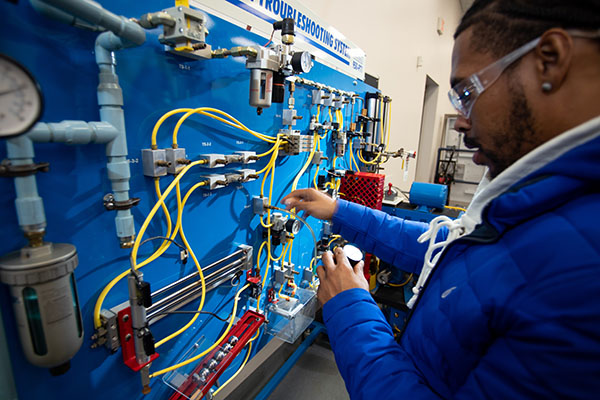
To ensure optimal performance in stamping operations, establishing a robust maintenance routine is crucial. Regular inspections and scheduled maintenance can significantly reduce the risk of unexpected breakdowns, which not only halt production but also lead to costly repairs. It’s important to focus on the following key areas during maintenance:
- Lubrication: Regularly inspect and apply appropriate lubricants to reduce friction and wear.
- Wear Parts Monitoring: Identify and replace worn components before they cause larger issues.
- Die Alignment Checks: Ensure proper alignment to minimize defects in production output.
- Cleaning Protocols: Implement regular cleaning schedules to maintain optimal die performance and accuracy.
When it comes to troubleshooting, an organized approach is essential for quickly diagnosing and resolving issues. Keep a detailed record of past problems and solutions to help identify patterns and prevent recurrences. Utilize this simple troubleshooting guide:
| Issue | Possible Cause | Solution |
|---|---|---|
| Defective Parts | Worn or damaged dies | Replace or refurbish dies |
| Inconsistent Tolerances | Poor die alignment | Realign the dies |
| Frequent Jamming | Insufficient lubrication | Increase lubrication frequency |
| Unexpected Downtime | Inadequate maintenance | Establish maintenance schedule |
Q&A
Q&A: Mastering the Art of Automotive Stamping Dies – A Guide
Q1: What are automotive stamping dies, and why are they important in vehicle manufacturing?
A1: Automotive stamping dies are specialized tools designed to cut and shape metal sheets into specific forms used in vehicle assembly. They play a crucial role in manufacturing, as they ensure precision and consistency in metal parts, such as body panels, brackets, and frames. The quality and efficiency of stamping dies directly affect the performance, safety, and aesthetics of the final vehicle.
Q2: Can you elaborate on the different types of stamping dies used in the automotive industry?
A2: Certainly! There are several types of stamping dies, with the most common being progressive dies, compound dies, and single-station dies. Progressive dies allow multiple operations in a single press, enhancing production efficiency. Compound dies combine operations into one stroke for simplicity. Single-station dies perform one specific task, offering flexibility for custom parts. Each type serves unique needs based on the design and volume of production.
Q3: What materials are typically used to manufacture stamping dies, and why are these choices significant?
A3: Stamping dies are predominantly made from tool steel, tungsten carbide, or other high-strength alloys. The choice of material is critical as it influences the die’s durability, wear resistance, and ability to withstand high pressures during stamping. Tool steels are popular due to their balance of toughness and ease of machining, while tungsten carbide is favored for high-volume production due to its superior hardness.
Q4: How does the design process for stamping dies work?
A4: The design process involves several steps, starting with detailed engineering drawings created using CAD software. Designers must consider factors like part geometry, material thickness, and manufacturing tolerances. Advanced simulations and prototypes are often employed to test die performance before full-scale production. Collaboration among design engineers, manufacturing teams, and quality assurance is crucial to ensure the die meets all specifications and production requirements.
Q5: What are the challenges faced in the stamping die manufacturing process?
A5: Challenges in stamping die manufacturing include ensuring precise tolerances, reducing lead times, and managing costs. Additionally, maintaining quality while scaling up production can be demanding. Each die must be meticulously tested to withstand repeated use without failure, and manufacturers must continually innovate to enhance efficiency and integrate new technologies, such as automation and smart manufacturing.
Q6: How can automotive companies ensure they are mastering the art of stamping dies?
A6: Companies can master stamping dies by investing in skilled personnel, advanced technology, and ongoing training. Adopting best practices in design, maintenance, and production, alongside regular assessments and lean manufacturing techniques, can vastly improve die performance. Moreover, fostering a culture of continuous improvement and collaboration throughout teams helps in staying competitive and adaptive to changes in the automotive industry.
Q7: What future trends should we expect in automotive stamping die technology?
A7: The future of automotive stamping dies is poised for innovation driven by technological advancements. Expect to see increased automation in die production and deployment of artificial intelligence for predictive maintenance. Additionally, the focus on lightweight materials and sustainable practices will influence die design, leading to the development of dies that accommodate new materials like composites and advanced alloys while prioritizing eco-friendliness in manufacturing processes.
Q8: Where can readers learn more about mastering automotive stamping dies?
A8: Readers interested in deepening their understanding of automotive stamping dies can explore industry publications, attend workshops, or participate in webinars hosted by automotive engineering organizations. Online courses in manufacturing engineering and mechanical design can also provide valuable insights into both fundamental concepts and cutting-edge developments in stamping die technology.
Insights and Conclusions
As we draw the curtain on our exploration of automotive stamping dies, it becomes abundantly clear that mastering this intricate art is not merely about understanding the tools and techniques; it’s about embracing a mindset of innovation and precision. From the initial design concepts to the intricate final touches, each step in the process reflects a marriage of craftsmanship and technology. Whether you are a seasoned professional or an aspiring engineer, the insights provided in this guide serve as a roadmap to navigate the complexities of die engineering.
In an industry that is constantly evolving, staying ahead means continuously honing your skills and embracing new advancements. The road ahead may present challenges, but equipped with knowledge and experience, the journey toward mastering automotive stamping dies can also be immensely rewarding. As you continue to refine your craft and explore new possibilities, remember that each die is not just a tool but a gateway to innovation in automotive design.
Thank you for joining us on this journey. May your pursuit of excellence in automotive stamping be as dynamic and fulfilling as the vehicles that roll off the assembly line.
