

In a world increasingly defined by individuality and innovation, the realm of manufacturing finds itself at a crossroads where creativity meets functionality. Custom blow molding, an advanced plastic fabrication technique, is at the forefront of this evolution, allowing designers and engineers to transform their unique visions into tangible products. From sleek packaging solutions to intricately designed containers, this method offers unparalleled flexibility in design and material usage, making it an essential tool for industries ranging from food and beverage to automotive and consumer goods. As we delve deeper into the artistry and science behind custom blow molding, we will explore how this versatile process is reshaping the landscape of plastic manufacturing and enabling businesses to craft solutions that not only meet market demands but also reflect the specific needs of their customers. Join us on this journey as we uncover the intricacies of custom blow molding and its role in shaping the future of bespoke plastic products.
Table of Contents
- Understanding the Fundamentals of Custom Blow Molding for Tailored Plastic Products
- Innovative Applications of Custom Blow Molding Across Diverse Industries
- Key Considerations for Selecting the Right Blow Molding Partner
- Sustainability in Custom Blow Molding: Strategies for Eco-Friendly Solutions
- Q&A
- Concluding Remarks
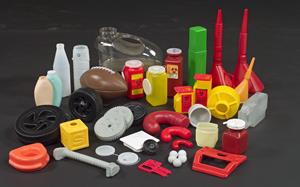
Understanding the Fundamentals of Custom Blow Molding for Tailored Plastic Products
Custom blow molding is a transformative process that allows manufacturers to create precisely designed plastic products tailored to specific needs. In this innovative method, a heated plastic parison is inflated within a mold to form hollow shapes, making it uniquely advantageous for producing intricate designs without compromising on quality. Key benefits of custom blow molding include:
- Versatility: This technique can produce a wide range of shapes and sizes, catering to diverse industries such as automotive, consumer goods, and medical devices.
- Material Efficiency: The process minimizes waste, allowing for the effective use of materials, which can be both cost-effective and environmentally friendly.
- Customization: Features like texture, color, and branding can be integrated seamlessly into the product, enhancing its appeal and functionality.
Understanding the ins and outs of this molding process is essential for achieving optimal results. Different production methods, such as extrusion blow molding and injection blow molding, allow for flexibility in application depending on the desired complexity and volume. Highlighted considerations for manufacturers include:
| Production Method | Best For | Pros |
|---|---|---|
| Extrusion Blow Molding | Large containers and products | High efficiency, consistent thickness |
| Injection Blow Molding | Small, precise items | High detail, excellent finish |
By selecting the suitable method for their applications, manufacturers can unlock new possibilities for innovative plastic solutions and elevate their product offerings in a competitive market.

Innovative Applications of Custom Blow Molding Across Diverse Industries
Custom blow molding has transcended traditional uses by providing tailored solutions that meet the unique demands of various sectors. In the automotive industry, for instance, manufacturers are increasingly incorporating custom blow-molded components for lightweight, fuel-efficient designs. From fuel tanks to air ducts, the ability to create complex, high-strength parts enables enhanced performance while reducing overall vehicle weight. Similarly, in the consumer goods sector, custom blow molding is utilized to produce eye-catching packaging that not only attracts consumers but also provides robust protection for products. Examples include bottles for personal care items and containers for food products, both of which benefit from customizable shapes and sizes.
Additionally, the medical industry has seen innovative advancements through the application of custom blow molding. Medical devices such as nutrient bags, IV containers, and even specialized molds for surgical instruments capitalize on this technology to ensure hygiene and safety standards are met. By developing customized, sterile solutions, healthcare providers can improve patient care and operational efficiency. Furthermore, the growth of sustainable practices has led many industries to explore eco-friendly materials in blow molding, showcasing a commitment to environmentally responsible production. This adaptability across sectors underscores the versatility and significance of custom blow molding in shaping future innovations.

Key Considerations for Selecting the Right Blow Molding Partner
Choosing the right blow molding partner goes beyond just assessing manufacturing capabilities. It’s essential to evaluate their experience in the specific sector you operate in, as specialized knowledge can significantly enhance the quality and efficiency of the production process. Consider the following factors when making your choice:
- Industry Experience: Look for a partner with a strong track record in your industry, as they will be more familiar with the challenges and requirements specific to your products.
- Technology and Equipment: Ensure they utilize state-of-the-art machinery that offers advanced capabilities, including automation and quality control systems.
- Material Expertise: Confirm that they have extensive knowledge of the types of plastics your project requires, including any special material properties necessary for your application.
Another critical aspect is the communication and collaboration style of the partner. A successful relationship hinges on their willingness to engage with your team throughout the project lifecycle. You should also investigate their production flexibility and ability to scale according to your demands. Consider these vital criteria:
- Response Time: Evaluate how quickly they respond to inquiries and adapt to changes in project scope.
- Prototyping Services: A partner who offers prototyping and design assistance can streamline the development of your custom solutions.
- Quality Assurance Measures: Ensure they have robust quality control procedures in place to minimize defects and ensure consistency.

Sustainability in Custom Blow Molding: Strategies for Eco-Friendly Solutions
In the quest for eco-friendly solutions within the custom blow molding industry, several innovative strategies are being employed to reduce environmental impact while still delivering high-quality plastic products. One significant approach is the use of recycled materials. By integrating post-consumer and post-industrial recycled plastics into the production process, manufacturers not only diminish waste but also lower the demand for virgin materials. This results in a decreased carbon footprint and promotes a circular economy. Other initiatives include optimizing the manufacturing process to minimize energy consumption and using biodegradable additives that enhance the eco-friendliness of the final product without compromising its performance.
Moreover, collaboration with suppliers and clients plays a crucial role in driving sustainable practices forward. Establishing clear communication about sustainability goals can lead to innovative packaging solutions that prioritize recyclability and reduced material usage. For instance, designing lighter containers requires less plastic while maintaining structural integrity, further minimizing environmental impact. Below is a table showcasing various eco-friendly materials and their benefits:
| Material Type | Benefits |
|---|---|
| Recycled PET (rPET) | Reduces landfill waste, lowers energy use |
| Bioplastics | Derived from renewable resources, compostable options |
| Post-Consumer Recycled Plastics | Encourages recycling efforts, supports a circular economy |
Q&A
Q&A: Custom Blow Molding – Crafting Unique Plastic Solutions
Q: What is custom blow molding, and how does it differ from standard blow molding processes?
A: Custom blow molding is a specialized manufacturing process used to create unique plastic products tailored to specific client needs. Unlike standard blow molding, which typically involves mass production of standardized items, custom blow molding allows for greater flexibility in design, size, and functionality. This process can cater to niche markets and individual specifications, resulting in one-of-a-kind solutions that standard methods might not achieve.
Q: What are some common applications of custom blow molding?
A: The versatility of custom blow molding means it finds applications across a multitude of industries. Common uses include packaging for pharmaceuticals and cosmetics, containers for food products, and specialized parts for automotive and industrial applications. Essentially, anytime a unique shape or design is necessary, custom blow molding might be the perfect solution.
Q: Can you explain the materials typically used in custom blow molding?
A: Custom blow molding primarily utilizes thermoplastics such as polyethylene, polypropylene, and polyvinyl chloride (PVC). These materials are favored for their durability, lightweight nature, and excellent moldability. Advances in material science have also introduced sustainable options, including bio-based plastics, allowing companies to marry innovation with environmental considerations.
Q: What factors should be considered when designing a custom blow-molded product?
A: When embarking on a custom blow-molding project, several factors are important: the intended use of the final product, the physical properties of the chosen material, and the desired aesthetic characteristics, such as color and transparency. Additionally, it’s crucial to consider production volume, as design complexity and material costs can impact the overall feasibility and budget of the project.
Q: How do companies ensure quality control in custom blow molding?
A: Quality control in custom blow molding involves rigorous testing at multiple stages of the manufacturing process. Companies commonly employ techniques such as dimensional checks, pressure tests, and material analysis to ensure each product meets stringent standards. Implementing advanced technologies, such as automated inspection systems and data analytics, helps in identifying any potential issues early, ensuring consistency and quality in the final product.
Q: What are some innovative trends currently shaping the custom blow molding industry?
A: Recent trends in custom blow molding include a growing emphasis on sustainability, leading to the increased use of recyclable and biodegradable materials. Furthermore, advancements in automation and 3D printing technology are paving the way for more intricate designs and rapid prototyping, allowing for faster turnaround times and a greater degree of customization than ever before. Additionally, smart technology integration is enabling more efficient production processes and enhanced product functionalities.
Q: How can businesses benefit from adopting custom blow molding?
A: Adopting custom blow molding allows businesses to differentiate themselves in a competitive market by offering tailored solutions that meet specific consumer needs. This process not only enhances product functionality and design but can also lead to cost-efficiencies through optimized production. Moreover, the ability to innovate and respond to emerging trends puts businesses in a stronger position to adapt in a rapidly changing landscape.
Q: What should a company look for when choosing a custom blow molding manufacturer?
A: When selecting a custom blow molding manufacturer, businesses should seek out partners with extensive industry experience, strong design capabilities, and a solid reputation for quality. Transparency in communication, a track record of meeting deadlines, and commitment to sustainability are also important factors. Evaluating past projects and customer testimonials can provide valuable insight into the manufacturer’s reliability and expertise.
Q: In what ways can custom blow molding evolve in the future?
A: The future of custom blow molding is likely to be characterized by increased sustainability initiatives, with a tilt toward using renewable resources and reducing waste throughout production. There’s also potential for advancements in smart technology, enabling real-time monitoring and optimization of the blow molding process. As consumer expectations shift toward personalization, the industry may evolve further, providing even more customizable solutions that appeal to specific market needs.
Concluding Remarks
As we navigate the intricate world of custom blow molding, it becomes clear that this innovative process is more than just a manufacturing technique; it is a bridge between imagination and reality. With its ability to create tailored plastic solutions that meet specific industry needs, custom blow molding stands as a testament to human ingenuity and adaptability. Whether you are looking to prototype a new product or scale up production for an established brand, this versatile method opens the door to endless possibilities.
In a marketplace that increasingly values customization and sustainability, understanding the nuances of custom blow molding can empower businesses to push boundaries and explore new horizons. As technology continues to evolve, so too will the methods by which we create, ensuring that the future of plastic manufacturing remains as dynamic and innovative as the solutions we engineer today.
So, as you consider your next project, remember that the world of custom blow molding is not just about shaping materials; it’s about crafting unique stories, products, and solutions that can leave an indelible mark on the landscape of tomorrow. Embrace the potential of customization—your next breakthrough could be just a mold away.
